Horses are incredible athletes. Whether they are competing in dressage, racing across cross-country courses, or simply enjoying a relaxed hack through the countryside, their bodies are constantly working in harmony to support movement, strength, and balance. At the centre of this remarkable performance lies an essential partnership: the bones and muscles. Understanding how these two systems work together is key to improving equine health, and this is where veterinary physiotherapy plays a vital role.
The Foundation: Strong and Healthy Bones
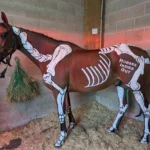
A horse’s skeleton forms the framework that supports its entire body. With around 205 bones, the equine skeletal system provides structure, protects vital organs, and acts as the anchor point for muscles. Bones must be both strong and resilient to withstand the forces placed on them during movement, especially in athletic horses.
Healthy bones rely on proper nutrition, regular exercise, and good management. Minerals such as calcium and phosphorus are crucial for maintaining bone density, while controlled exercise encourages bones to adapt and strengthen over time. When bones are subjected to appropriate levels of movement and loading, they remodel and become stronger, allowing horses to cope with the demands of their work.
However, when imbalances occur—such as overtraining, poor conformation, or injury—the skeletal system can become stressed. This is where veterinary physiotherapists can help identify early signs of strain and support recovery before problems become more serious.
The Driving Force: Muscles in Motion
While bones provide the structure, muscles are responsible for movement. The equine body contains hundreds of muscles that work together to power every stride, jump, and turn. Muscles attach to bones through tendons, creating a system of levers that allows horses to move efficiently.
Healthy muscles contribute to balance, flexibility, and coordination. They also play a vital role in stabilising joints and protecting the skeletal system from excessive stress. When muscles are strong and well-conditioned, they help distribute forces evenly across the body, reducing the risk of injury.
On the other hand, muscle weakness, tightness, or asymmetry can lead to compensation patterns. A horse may shift its weight unevenly or alter its gait, which can gradually place strain on bones, joints, and ligaments. These subtle changes are often difficult to notice at first but can develop into significant problems over time.
Where Veterinary Physiotherapy Makes the Difference
Veterinary physiotherapy focuses on restoring and maintaining healthy movement by addressing issues within the musculoskeletal system. By assessing how bones, muscles, joints, and soft tissues interact, physiotherapists can develop tailored treatment plans to improve comfort and performance.
Common physiotherapy techniques include massage, stretching, joint mobilisation, and targeted exercise programs. These methods help improve circulation, reduce muscle tension, and encourage correct movement patterns. In many cases, physiotherapy is used alongside veterinary treatment to support rehabilitation after injury or surgery.
For example, a horse recovering from a tendon injury may benefit from carefully controlled strengthening exercises that rebuild muscle support around the affected limb. Similarly, horses with back pain often respond well to physiotherapy that improves core muscle strength and spinal flexibility.
Prevention as Well as Treatment
One of the most valuable aspects of veterinary physiotherapy is its preventative role. Regular physiotherapy assessments can detect early signs of stiffness, muscle imbalance, or restricted movement before they progress into injury.
By maintaining healthy muscles and supporting proper skeletal alignment, physiotherapy helps horses move more comfortably and efficiently. This not only improves performance but also enhances overall wellbeing and longevity.
Supporting the Horse as a Whole Athlete
Ultimately, bones and muscles do far more than simply allow horses to move—they support their entire health and quality of life. When these systems function in harmony, horses can perform at their best while staying comfortable and resilient.
Veterinary physiotherapy bridges the gap between veterinary medicine, training, and daily care. By focusing on the musculoskeletal system and promoting balanced movement, it plays an essential role in helping horses stay strong, healthy, and ready for whatever adventures lie ahead.