Dogs are incredibly resilient animals, but they can’t always tell us when something hurts. As loving owners, it’s important to recognise subtle signs that your dog may be struggling physically. Veterinary physiotherapy can play a vital role in helping dogs recover from injury, manage chronic conditions, and maintain a good quality of life.
One of the first things to watch for is changes in movement. If your dog suddenly becomes reluctant to jump, struggles to climb stairs, limps, or shows stiffness after resting, these could be signs of discomfort or musculoskeletal issues. Even small changes—like walking more slowly or sitting differently—can indicate that something isn’t quite right.
Behavioural changes are another important clue. A normally active dog that becomes quiet, irritable, or less enthusiastic about walks may be experiencing pain. Dogs may also lick or chew a particular joint or area of their body if it feels sore.
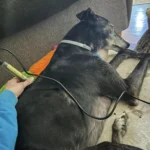
Veterinary physiotherapy focuses on improving mobility, reducing pain, and supporting recovery through targeted treatments. Techniques can include therapeutic exercises, massage, stretching, laser therapy, and hydrotherapy. These methods help strengthen muscles, improve joint function, and encourage safe movement.
If you notice any worrying signs, the best first step is to consult your veterinarian. They can diagnose the underlying issue and determine whether physiotherapy would be beneficial. Early intervention is key—addressing problems sooner can often prevent them from becoming more serious.
As a dog owner, you can also support your dog at home. Keeping them at a healthy weight, providing regular but appropriate exercise, and ensuring they have a comfortable resting area can make a big difference to their physical wellbeing.
Your dog relies on you to notice when something isn’t right. By paying attention to small changes and seeking professional support when needed, you can help ensure they stay happy, comfortable, and active for years to come. 🐾